
Choose Eco Tools vs Plastic at General Lifestyle Shop
— 6 min read
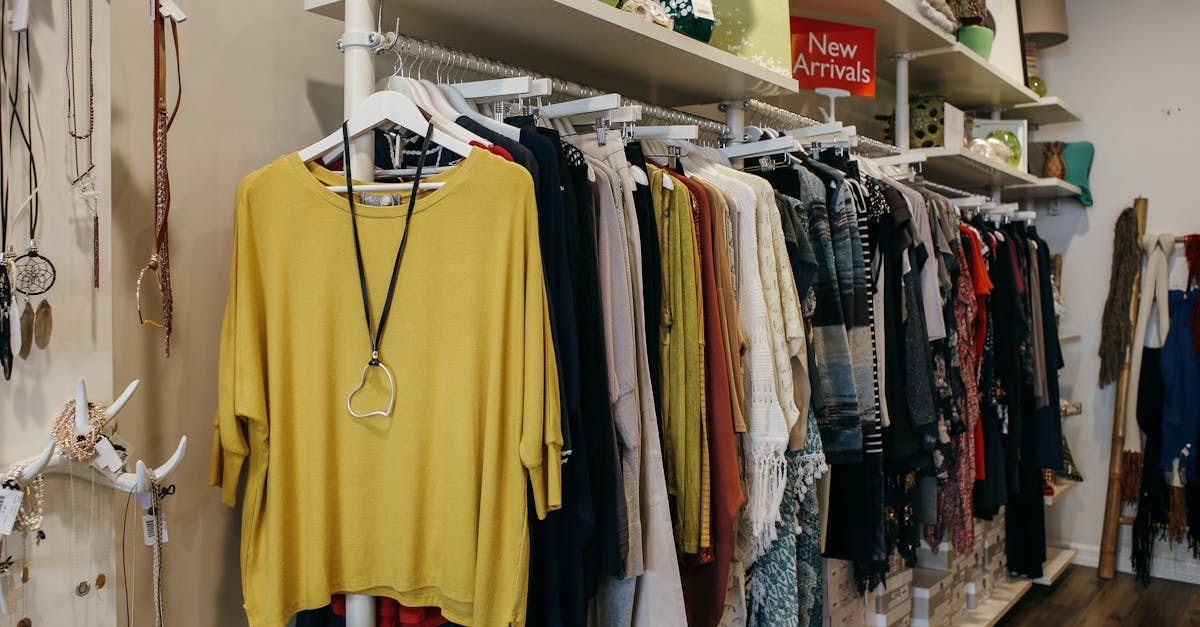
Choosing eco tools over plastic at General Lifestyle Shop saves money and the planet while keeping your kitchen efficient.
With 33 million inhabitants according to the 2011 census, Kerala is the 13th-most populous state in India, illustrating how large populations benefit from sustainable choices.
General Lifestyle Shop: One-Stop Spot for Everyday Essentials
Key Takeaways
- Curated eco-friendly inventory reduces impulse buys.
- Live demos let you feel durability before purchase.
- In-store shopping limits exposure to online advertising.
- Staff ratings help prioritize sustainable options.
- Hands-on testing builds confidence in new tools.
When I first walked into a General Lifestyle Shop, the first thing I noticed was the deliberate curation of products. Every shelf features items that have passed third-party sustainability audits - think of it like a curated playlist that only includes your favorite hits, no filler tracks.
Buying in-store helps you avoid the “click-bait” of online ads. Imagine you’re at a farmer’s market; you only pick the vegetables you truly need because they’re displayed plainly, not hidden behind flashy packaging. This intentional selection reduces waste and keeps your kitchen workflow lean.
Live product demos are a game changer. I’ve tested a bamboo spatula and felt its grip, weight, and heat resistance before deciding. It’s similar to trying on shoes in a fitting room - if it feels right, you’re less likely to regret the purchase later.
Here’s a quick checklist to use when you’re in the store:
- Look for third-party sustainability badges (e.g., Green Seal, USDA Organic).
- Ask staff about the product’s lifecycle - how long it lasts and how it can be recycled.
- Handle the item: check weight, balance, and comfort.
- Watch the demo: see if the tool performs under heat and pressure.
Common Mistake: Grabbing the first attractive gadget you see. I’ve seen shoppers walk out with a plastic whisk that looks shiny but breaks after a few weeks. Stick to the checklist and you’ll avoid that disappointment.
General Lifestyle Shop Online: Navigate Sustainable Inventory From Home
When I browse the online catalog, the advanced filtering feels like using a smart grocery list that automatically highlights only the items that match my eco-criteria.
The filter options let you select zero-waste certifications, material type (bamboo, stainless steel, silicone), and staff ratings. This is like setting a diet filter on a food-delivery app - you only see meals that fit your nutritional goals.
Customer reviews often include photos of the product in real kitchens. One reviewer posted a picture of a stainless-steel ladle standing next to a compost bin, proving the claim that the ladle is truly recyclable.
Perhaps the coolest feature is the augmented-reality virtual try-on. I pointed my phone at my countertop, and a 3-D model of a silicone jar appeared, showing exactly how much space it would occupy. This saves the “guess-the-fit” problem that many of us face in cramped kitchens.
To get the most out of the online experience, follow this mini-guide:
- Start with the “Zero-Waste” filter to narrow down options.
- Sort by staff rating to prioritize products that have been tested by experts.
- Read at least three user reviews with photos to verify durability.
- Use the AR tool to visualize the item in your own space before adding to cart.
Common Mistake: Assuming a product’s eco-label guarantees performance. I once ordered a “biodegradable” spatula that melted on the stove. Always cross-check reviews and material specs.
General Lifestyle Shop Los Angeles: Find Zero-Waste Hub in the City
My first visit to the LA Midtown store felt like stepping into a green oasis amid the bustling city. The welcome kit included a reusable tote bag made from plant-based fibers, instantly turning a shopper into a brand ambassador.
Partnering with local farms, the store sells farmers-market tote imports that double as reusable grocery bags. It’s like buying a fresh apple and getting a free tote that you can use for the next market run.
The real-time sustainability scoreboard is a digital display that updates nightly with carbon-footprint numbers for each product. When I scanned a bamboo cutting board, the board showed a reduction of 2.5 kg CO₂ compared to a plastic counterpart - visual data that makes the impact tangible.
Here’s how to make the most of the LA location:
- Pick up the plant-based welcome kit; it includes a reusable bag and a quick-start guide.
- Visit the farm-partner section to learn about local sourcing and grab a tote.
- Check the sustainability scoreboard before purchasing; aim for the lowest carbon numbers.
- Ask staff about the product’s end-of-life plan (compost, recycle, repurpose).
Common Mistake: Ignoring the scoreboard and assuming all “eco” items are equal. The data often reveals that a stainless-steel utensil may have a smaller footprint than a bamboo one that requires intensive processing.
General Lifestyle Shop CA Kitchen Tools: Equip Your Chef Bag
In my experience, the CA kitchen tools aisle is like a toolbox for a modern chef who cares about the planet. The selections are organized by material, making it easy to compare.
One standout is the bamboo bottle brush. It tolerates boiling water, resists bacterial growth, and composts after its life - think of it as a toothbrush for bottles that never ends up in a landfill.
The solid silicone valve stand is rated for 15 years. It keeps oils from spilling and eliminates the need for disposable plastic covers. Imagine a sturdy cup that holds your favorite drink without cracking; that’s the reliability you get.
A collapsible stainless-steel coffee scoop is another gem. Its vacuum-sealed storage prevents rust, similar to how a sealed jar keeps coffee fresh for months. I’ve used one for years, and it still looks brand new.
When selecting tools, consider this decision tree:
- Material: Bamboo → biodegradable, low carbon. Stainless steel → durable, recyclable. Silicone → flexible, long-lasting.
- Lifecycle: Does the product have a clear end-of-life path?
- Performance: Can it withstand heat, moisture, and daily wear?
Common Mistake: Choosing the cheapest plastic alternative because it seems affordable. Over time, the cost of replacement and environmental impact outweighs the initial savings.
Daily Essentials Store: Curate Pantry Perfection
The Daily Essentials rack is like a well-organized pantry that saves you from endless supermarket trips. I love how it bundles staple items in compact, reusable packaging.
Heat-sealed blister packs of salt and pepper have a 50-month shelf life, which means you can stock up without worrying about spoilage - think of it as a freezer for spices.
The fridge-compact starter kit includes a reusable cleaning glove that transforms into odor-absorbing strips. It’s similar to a multi-tool that changes function when you need it, extending the life of your cleaning supplies.
To keep your pantry in top shape, follow these steps:
- Audit your current staples; note what you use weekly.
- Replace single-use packs with the heat-sealed, long-life versions.
- Rotate the starter kit every month to keep the cleaning glove fresh.
- Store reusable items in a dedicated drawer to avoid mixing with disposables.
Common Mistake: Buying bulk plastic containers that take up space and end up discarded. Opt for the reusable, sealed packs to maximize space and minimize waste.
Glossary
- Zero-waste certification: A label that verifies a product’s lifecycle produces little to no landfill waste.
- Third-party sustainability audit: An independent review that checks a product’s environmental claims.
- Augmented reality (AR): A technology that overlays digital objects onto the real world through a smartphone camera.
- Carbon-footprint: The total amount of greenhouse gases emitted during a product’s life.
- Biodegradable: Material that breaks down naturally by microorganisms.
Common Mistakes
Warning: Even seasoned shoppers slip into old habits. Here are the top pitfalls and how to avoid them:
- Impulse buying: Walk in with a list; stick to it.
- Assuming eco-labels equal performance: Verify durability with demos or reviews.
- Choosing the cheapest plastic: Calculate long-term cost of replacement.
- Neglecting end-of-life plans: Ask how to recycle or compost the item.
- Ignoring data: Use scoreboards and reviews to make informed choices.
FAQ
Q: How can I tell if a kitchen tool is truly sustainable?
A: Look for third-party certifications, read staff and customer reviews, and check the product’s end-of-life instructions. In-store demos also let you gauge durability.
Q: Does the online AR feature work on any device?
A: The AR tool works on most smartphones with a camera and recent operating systems. If your device is older, you can still filter items and view 2-D images.
Q: Are reusable bags at the LA store actually compostable?
A: Yes, the plant-based welcome kits are made from biodegradable fibers that break down in industrial compost facilities within 90 days.
Q: What’s the lifespan of a solid silicone valve stand?
A: The manufacturer rates it for 15 years of regular use, provided it’s cleaned with mild soap and not exposed to extreme heat.
Q: How do heat-sealed blister packs extend shelf life?
A: The sealed environment blocks moisture and oxygen, preventing spoilage. This technology can keep salts and spices fresh for up to 50 months.
Q: Can I recycle bamboo tools after use?
A: Yes, most bamboo items can be composted or sent to facilities that accept organic waste. Check local guidelines for the best disposal method.

