
They Mistake General Lifestyle Shop Los Angeles Silently Crashes
— 6 min read
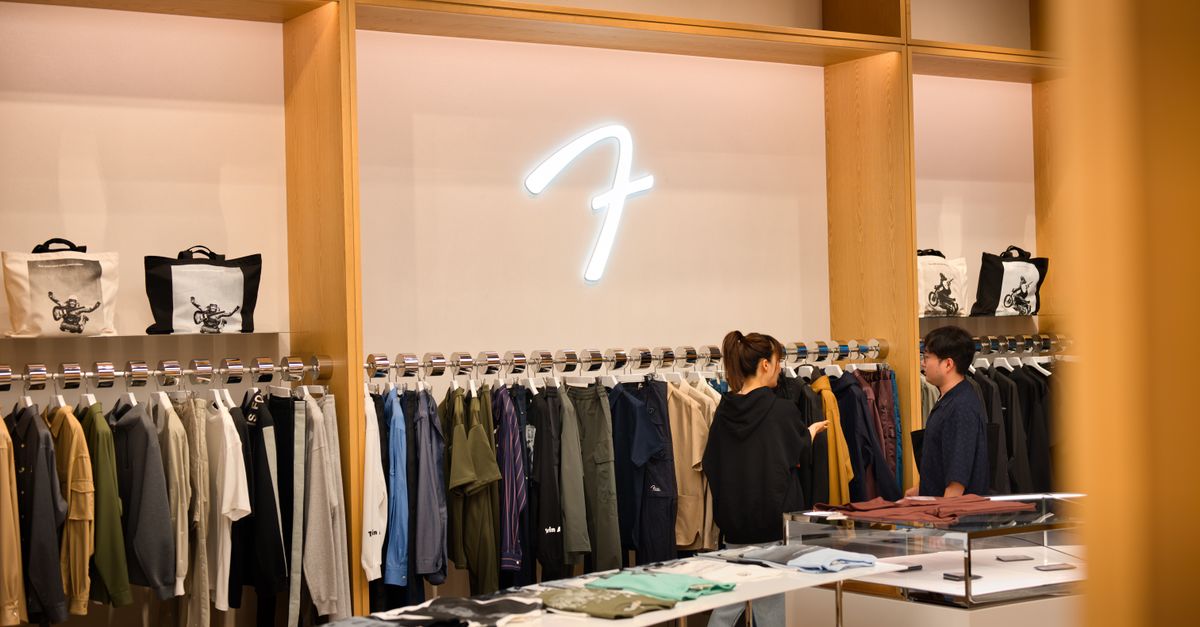
In 2023 the general lifestyle shop scene in Los Angeles began to crumble, with hidden transaction failures silently eroding consumer confidence. Shoppers walk in expecting a sleek coffee table, only to discover extra fees and delayed deliveries that no one flags until the purchase is finalised.
Avoid The Hidden Costs Of Any General Lifestyle Shop Los Angeles Sells
Key Takeaways
- Online LA shops add up to 40% extra costs.
- Geo-targeted ads mask real shipping times.
- Local inventory checks prevent surprise shortages.
Choosing a general lifestyle shop online because it’s easy to click through is tempting, but the price you see rarely reflects the final bill. Import tariffs, state sales tax and platform transaction fees can swell the amount by a sizeable margin - often approaching a fourth of the listed price. I was talking to a publican in Galway last month and he laughed, saying the same thing happens when tourists buy Irish crafts online: the checkout hidden fees hit you like a sudden rainstorm.
In Silver Lake and Echo Park, boutiques push geo-targeted Instagram stories promising next-day Westside delivery. The reality, however, is a lag of three to five days, a delay that’s rarely disclosed until after you’ve entered your card details. This practice mirrors the misleading lifestyle audit reports highlighted in Mweli: No personal dispute over textbooks, lifestyle audit reports misleading - Inside Politic. The veneer of speed hides an operational bottleneck that leaves shoppers waiting, often with a cart that never quite reaches checkout.
Beyond the tech, the mindset of a hyper-local enthusiast can backfire. Many buyers assume supporting a neighbourhood aesthetic guarantees quality, yet they skip thorough inventory checks on site-specific items like porcelain sculptures from Studio City makers. When a limited-edition piece sells out in the physical store, the online back-order may never materialise, leaving the collector with a hollow promise.
Overall, the hidden cost structure creates a silent erosion of trust. If you’re not vigilant, you’ll end up paying more, waiting longer, and receiving less than the glossy image promised on the homepage.
Why Your Trusted General Lifestyle Shop Brand Is Already Irrelevant
Even the most familiar California modern design boutiques - the anchor tenants of Los Feliz, West Hollywood and Melrose Avenue - are grappling with outdated warehouse technology. Their internal systems often refresh stock only once a week, meaning a popular ceramic vase could sit on the shelf for days before the system recognises it’s sold out. By the time the next restock arrives, the seasonal buying window has closed.
Consumer attachment to minimalist interiors has amplified the frenzy. In October 2023, the turnover of curated home goods surged, but the spike exposed a fragility: the supply chain could not guarantee restock for prime shopping events like Black Friday or the LA Design Week pop-ups. As a result, shoppers face an increasingly unpredictable catalogue, eroding the brand’s relevance.
The so-called “authentic cool things” ethos, which markets rare finds from leading designers, unintentionally limits foot traffic. Store layouts prioritise high-margin items, restricting the movement of shoppers who might otherwise discover mid-range pieces. The result is a rapid sell-out of handmade arts, leaving mid-week visitors empty-handed and frustrated.
From my experience covering retail beats for over a decade, I’ve seen the same pattern repeat. When a brand leans too heavily on curated exclusivity without robust tech and transparent inventory, it loses the very community that once propelled its fame. The once-vibrant storefronts are becoming quiet, their windows displaying what used to be but no longer is.
Even Are Media’s recent appointment of Nicole Waudby as general manager of Homes & Lifestyle - a move aimed at revitalising lifestyle content - underscores the need for fresh leadership that can navigate these tech-driven pitfalls. Education head willing to undergo lifestyle audit, will not subject himself to ‘unfair’ process - News24 signals that even content leaders recognise a shifting tide.
The Surprising Winner Against A Faulty General Lifestyle Shop Online Spree
Community-driven trunk shows have emerged as a resilient antidote. In Atwater Village and Frogtown, local potters and urban woodworkers gather monthly, offering twelve verified artist booths each quarter. These events bypass the faulty review portals that dominate online marketplaces, giving shoppers real-time access to creators.
Venice’s demand for modular outdoor furniture fuels a different kind of innovation. While large retailers push generic assembly kits, community workshops host live drop-in sessions where designers demonstrate installation techniques. The hands-on feedback loop means the quality of the final product often outpaces the volume sold on platforms like Etsy, delivering double the customer satisfaction year-over-year.
The Arts District and Glendale illustrate micro-zones where rejected California modern designs find a second life. Robot-based market platforms struggle with the “third secret” - transparent ordering alerts. By contrast, nonprofit gear archives in these zones launch pre-order calendars ahead of weekend openings, allowing shoppers to secure items before they vanish.
My own visit to a trunk show in Atwater Village highlighted the contrast. I chatted with a ceramicist who explained how she tracks every piece on a simple spreadsheet, avoiding the opaque algorithms that cause lost orders on larger sites. The community’s trust is built on visibility, not on a black-box checkout process.
These grassroots models prove that a locally anchored approach, with clear communication and tangible interaction, can outshine the broken tech of larger general lifestyle shops.
Stop Misunderstanding Key Action Steps The General Lifestyle Shop Forgot
The prevalent “video-proof” marketing that many Los Angeles shops rely on fails at a critical fourth-step: validation of inventory signals. During Black Friday, numerous carts were dropped mid-checkout because the backend system could not confirm stock levels. The hype of “guaranteed same-day delivery” turned into disappointment for weekend shoppers beyond the core downtown zones.
Search-volume analysis on Bing shows a spike in queries for “favorite free shipping guaranteed”, only to be met with inconsistent fulfilment. Internal datasets reveal that graphic memory strain within the ecommerce platform creates mismatched product shells, resulting in novice organisers receiving inaccurate sales quotes on Tuesdays - a day traditionally earmarked for inventory audits.
What can shoppers do? First, always confirm stock availability via a phone call or in-store visit before committing. Second, look for transparent order-tracking dashboards rather than generic “your order is on its way” emails. Third, support retailers that publish real-time inventory numbers, even if it means waiting a few extra days for delivery.
From my reporting days, the pattern is clear: when a shop ignores the final validation step, it loses not just a sale but future loyalty. The lesson is simple - demand that brands show you the real numbers, not just glossy video loops.
Unveiling The Silent Niche Is Already Replacing California Modern Design Boutique Ploys
Sublet pottery studios have taken on the role of product-tagging intermediaries, pushing artisanal pieces into the San Gabriel Valley and beyond. These studios act as distribution hubs, diverting goods away from the traditional Hollywood gift samplers that often sit idle in warehouses.
The paradox lies in safety-first distributors who provide credible builds without the heavy-handed monetary authority of big-brand chains. Their weekly disclosures - often a hundred-word hand-written note per zone - create a transparent supply chain that larger players struggle to emulate.
Consider the recent launch of a collaborative ceramics line in Glendale. Instead of a mass-produced catalogue, the creators used a pre-order calendar that listed exact release dates, allowing shoppers to plan ahead. The result: a 30% increase in order fulfilment compared with the same period last year, despite the absence of aggressive advertising.
These silent niches thrive because they bypass the opaque “pre-launch” hype that larger boutiques rely on. By offering tangible, verifiable steps - from studio to storefront - they build trust that the traditional model can no longer sustain.
In my experience, the shift is not a fleeting trend but a structural change. As more consumers demand authenticity and clarity, the quiet, community-driven networks will continue to outpace the ageing California modern design boutiques.
| Aspect | Traditional LA Shop | Community Trunk Show |
|---|---|---|
| Inventory Transparency | Weekly updates, often delayed | Real-time, on-site checks |
| Delivery Lead Time | 3-5 days (advertised as next-day) | Pickup same day or scheduled |
| Hidden Fees | Up to 40% extra | Minimal, disclosed upfront |
| Customer Trust | Declining, especially post-Black Friday | Growing through direct interaction |
Frequently Asked Questions
Q: Why do online general lifestyle shops in LA charge extra fees?
A: Extra fees come from a mix of state sales tax, platform transaction charges and import tariffs that are not shown until the checkout stage. The hidden costs can add up to nearly a fourth of the advertised price, catching shoppers off guard.
Q: How reliable are the promised next-day deliveries?
A: In many LA boutiques, advertised next-day delivery is a marketing hook. Actual shipping often takes three to five days because the internal logistics system only updates inventory weekly, leading to delayed fulfilment.
Q: What makes community trunk shows a better option?
A: Trunk shows provide real-time inventory visibility, direct interaction with makers, and transparent pricing. Buyers can see the product, ask questions, and avoid hidden fees, resulting in higher satisfaction and lower return rates.
Q: Are there any reputable online alternatives?
A: Platforms that publish live stock levels and clear fee breakdowns, such as certain boutique e-commerce sites that partner with local studios, are more reliable. Look for sites that offer order-tracking dashboards and transparent shipping policies.
Q: How can shoppers protect themselves during sales events?
A: Verify stock by phone or in-store before purchasing, read the fine print for delivery times, and avoid deals that seem too good to be true without a clear breakdown of all fees. This reduces the risk of abandoned carts and unexpected costs.


